
Loading...
Serving Porterville, CA and surrounding areas. (559) 854-8706
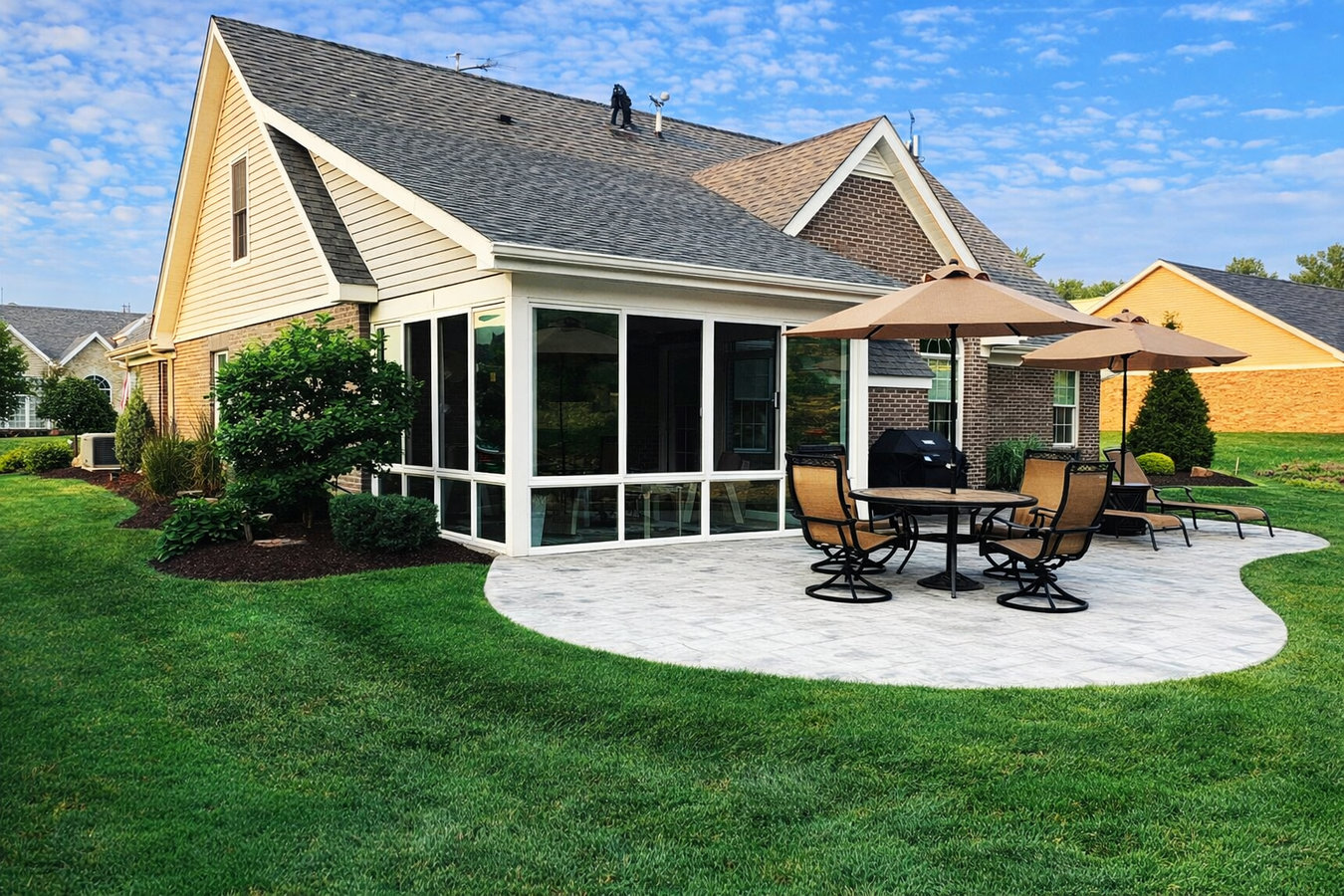
Porterville Sunrooms & Patios serves Exeter homeowners with patio enclosures, sunroom additions, and screen rooms - designed for Valley heat, older mid-century homes, and agricultural lots where soil and drainage conditions matter. We respond within one business day and have served Tulare County since 2017.
Most Exeter homes have open concrete patios that sit unused through the hottest months and the tule fog season because there is no weather protection. A patio enclosure adds screens, panels, and a roof structure that turns an exposed slab into a usable shaded space without the cost of a full sunroom addition.
Exeter homes are typically modest in size, and many homeowners want more living space without a full interior remodel. A sunroom addition built onto the back of a craftsman bungalow or ranch house adds functional square footage at a fraction of the cost of a traditional room addition.
Exeter sits surrounded by citrus orchards and agricultural land, which means insects are part of outdoor life here, especially in spring and early summer. A screen room lets you enjoy the mild evenings in April, May, October, and November without fighting the bugs that come with living in orchard country.
For Exeter homeowners who want a room they can use year-round, a four season sunroom with insulated glazing and a connection to your home's heating and cooling gives you a genuine extra room rather than a seasonal-use addition. Proper low-emissivity glass is especially important here given the intensity of Valley summers.
The Exeter sun is direct and intense from June through September, and an uncovered patio or concrete slab takes the full force of it. A patio cover reduces solar load on your outdoor surfaces, slows the deterioration of concrete and exterior materials, and makes afternoon outdoor time practical rather than miserable.
Exeter has genuine shoulder seasons - spring and fall in the Valley are comfortable and worth using. A three season sunroom is a lower-cost option for homeowners who mainly want outdoor space from September through May and are comfortable closing the room off during the peak summer heat.
Exeter has called itself the Orange Capital of the World for good reason - the citrus industry has shaped the town for well over a century, and that history shows up in the housing stock. A large share of homes in Exeter were built between the 1940s and 1970s, which means older concrete slabs, aging wood framing, and stucco exteriors that have absorbed decades of Valley heat. Before adding a sunroom or enclosure to one of these homes, a contractor needs to evaluate the existing foundation and framing to make sure the new structure has something solid to attach to. Skipping that assessment is how additions fail within a few years.
The soils around Exeter contain clay that swells in the wet season and shrinks back in the dry months. This movement happens every year and is one of the primary reasons driveways, walkways, and patio slabs crack in this part of Tulare County. A sunroom foundation that does not account for this soil behavior will develop joint gaps and surface cracks sooner than the homeowner expects. Properties on the edge of town near the orchards can also have soil conditions influenced by decades of agricultural irrigation, which creates variation in drainage and load-bearing capacity that an experienced local contractor needs to check before breaking ground.
Our crew works throughout Exeter regularly, and we understand the local conditions that affect sunroom contractor work here. Permits for residential additions in Exeter run through the City of Exeter, and we submit complete, accurate applications the first time to avoid delays. Exeter is a small municipality, and the permit process moves at a reasonable pace when the application is done correctly.
Exeter is a compact, walkable city with a distinctive downtown known for its collection of outdoor murals depicting local agricultural history. Neighborhoods closer to downtown tend to have older craftsman bungalows and small lots, while properties near the edge of town - especially toward the citrus groves - sit on larger parcels with more variation in soil conditions and drainage. State Route 65 runs through the area and is the main corridor connecting Exeter to Porterville and Lindsay. Sequoia National Park is a short drive east, and that proximity means Exeter homeowners see real temperature swings between the heat of the Valley floor and the cooler mountain air.
We also serve nearby communities. Homeowners in Woodlake to the northwest and Lindsay to the south are part of the same service area, so if you have neighbors or family in either city, we are already working in those areas.
Reach out by phone or through our contact form and we will respond within one business day. We will gather basic details about your home and project so the site visit is focused and does not waste your time.
We come to your Exeter home to measure the space, assess the existing foundation and framing, and check the soil and drainage conditions. You will receive a written estimate with a clear breakdown of costs before any commitment is required.
We submit the permit application to the City of Exeter and schedule construction once approval comes through. You do not need to manage the permit process - we handle it from submission to final inspection.
Once construction passes final inspection, we walk through the finished room with you to make sure everything meets your expectations. Any questions that come up after completion are handled promptly - we do not disappear once the job is done.
We serve Exeter and all of Tulare County. No pressure, no obligation - just a straight conversation about your home and what makes sense for it.
(559) 854-8706Exeter is a small city of about 10,000 people in Tulare County, sitting among the citrus groves of the southern San Joaquin Valley. The city has a compact, walkable downtown recognized across the region for its collection of large outdoor murals depicting local agricultural and community history. Residential neighborhoods near downtown are made up largely of craftsman bungalows and small ranch homes built in the early to mid-20th century, while newer subdivisions on the edges of town have more modern tract homes on modest lots. According to the U.S. Census, roughly 60 percent of Exeter's housing units are owner-occupied, which means most residents here have a direct stake in keeping their homes in good condition.
Exeter is known locally as the gateway to Sequoia National Park, which sits just east in the Sierra Nevada foothills. The park is a point of pride for longtime residents, and the nearby mountains create temperature swings that Valley residents farther west do not experience as dramatically. Properties on the edge of Exeter near the citrus orchards deal with soil and drainage conditions tied to decades of irrigation, which is something homeowners planning a sunroom or patio project should ask their contractor about upfront. Neighboring communities including Visalia to the north and Woodlake to the northwest share similar housing conditions and are also part of our service area.
Enjoy your sunroom year-round with full insulation and climate control.
Learn MoreA comfortable, screened space perfect for spring, summer, and fall use.
Learn MoreKeep bugs out while letting the breeze in with quality screen rooms.
Learn MoreConvert your existing patio into a fully enclosed sunroom space.
Learn MoreDurable patio covers that provide shade and protection year-round.
Learn MoreSummer fills up fast. Reach out now to get your Exeter project scheduled before the Valley heat makes outdoor work impractical.